
tempered glass cost
Introduction to Tinted Glass Tinted glass is a specialized type of colored glass manufactured by incorporating specific colorants into standard clear glass during production. This process not only imparts a distinct hue but also enhances the glass's ability to manage solar radiation. Tinted glass is widely used in architectural design, interior decoration, and automotive applications due to its functional and aesthetic benefits. The following sections explore its key features, technical specifications, applications, and the company behind this innovative product. Key Features of Tinted Glass Tinted glass is engineered to address two primary challenges: heat absorption and sunlight intensity reduction. These features make it a versatile solution for both residential and commercial spaces. 1. Heat Absorption One of the most significant advantages of tinted glass is its ability to absorb solar heat. According to NIST (National Institute of Standards and Technology) , solar control glass technologies play a critical role in reducing energy consumption in buildings. Tinted glass, with its enhanced solar-radiation absorption properties, outperforms clear float glass. For example, a 6mm thick clear float glass allows 84% heat transmittance, while tinted glass reduces this to approximately 60%. The darker the color, the lower the heat transmittance, making it an ideal choice for regions with intense sunlight. 2. Reducing Sunlight Intensity In regions with high solar exposure, such as deserts or low latitudes, excessive sunlight can cause visual discomfort and reduce productivity. Tinted glass effectively reduces light transmission, softening the intensity of sunlight. This feature is particularly beneficial in office spaces, where glare can lead to visual fatigue. By controlling indoor lighting levels, tinted glass contributes to a more comfortable and efficient working environment. Additionally, the company offers reflective glass , which combines the benefits of tinted glass with advanced coating technology for improved energy efficiency. Applications of Tinted Glass Tinted glass is a critical component in modern architecture and interior design. Its applications span multiple industries, including commercial, residential, and automotive sectors. 1. Architectural Use In architectural design, tinted glass is commonly used for building facades, windows, and partitions. It enhances the aesthetic appeal of structures while providing functional benefits such as heat reduction and glare control. For instance, in office buildings, tinted glass helps maintain optimal indoor lighting conditions, reducing the need for artificial lighting and air conditioning. This not only improves occupant comfort but also lowers energy costs. 2. Interior Decoration Interior designers often incorporate tinted glass into spaces to add visual interest and sophistication. Whether used as room dividers, shower enclosures, or decorative panels, tinted glass can transform a room's ambiance. The availability of multiple color options, including Golden Bronze , Euro-Bronze , Dark Grey , and F-Blue , allows for customization to match diverse design themes. 3. Automotive Industry In the automotive sector, tinted glass is used in vehicle windows to block excessive sunlight and reduce glare for drivers. This enhances safety by minimizing the risk of accidents caused by bright sunlight. Additionally, tinted glass helps maintain a cooler interior environment, improving passenger comfort. Product Specifications Parameter Details Size (mm) 1650x2140, 1830x2440, 2140x3300, 2440x3300, or custom sizes Thickness 4mm, 5mm, 6mm, 8mm Colors Golden Bronze, Euro-Bronze, Dark Grey, Euro Grey, Black, F-Blue, Dark Green, F-Green, Ocean Blue, and more Applications Architecture, furniture, decoration Company Background: SHAHE SHOTT GLASS Co., Ltd. SHAHE SHOTT GLASS Co., Ltd., located in Shacheng City, is a leading manufacturer of specialized glass products. With a commitment to innovation and quality, the company offers a wide range of tinted glass solutions tailored to meet the needs of global clients. Their expertise in glass processing includes cutting, tempering, and laminating, ensuring that customers receive customized products that align with their requirements. The company's product portfolio includes clear float glass and reflective glass , which complement their tinted glass offerings. By combining advanced manufacturing techniques with a focus on sustainability, SHAHE SHOTT GLASS has established itself as a reliable partner for architects, designers, and engineers worldwide. Conclusion Tinted glass is a versatile material that combines functionality with aesthetic appeal. Its ability to absorb heat and reduce sunlight intensity makes it an essential component in modern architecture and design. With a wide range of colors and customizable options, tinted glass can be tailored to suit various applications, from commercial buildings to automotive windows. SHAHE SHOTT GLASS Co., Ltd. continues to innovate in the glass industry, providing high-quality solutions that meet the evolving needs of clients. References NIST (National Institute of Standards and Technology) . (n.d.). Standards and Measurements . Retrieved from https://www.nist.gov/

-
glass with green tint
glass with green tint
View Details -
large light up makeup mirror
large light up makeup mirror
View Details -

square mirror with lights
square mirror with lights
View Details -
low iron glass suppliers
low iron glass suppliers
View Details -

vanity mirror with lights portable
vanity mirror with lights portable
View Details
Our application
-
 read more
 -
 read more
 -
 read more
 -
 read more
 -
 read more
 -
 read more
news and information
Water Pressure Regulation Valve for Efficient Flow Control and System Stability
water pressure control valve .
y type strainer filter,,10
Y Type Strainer Filter A Compreensive Guide Y Type Strainer Filter has become an essential tool in

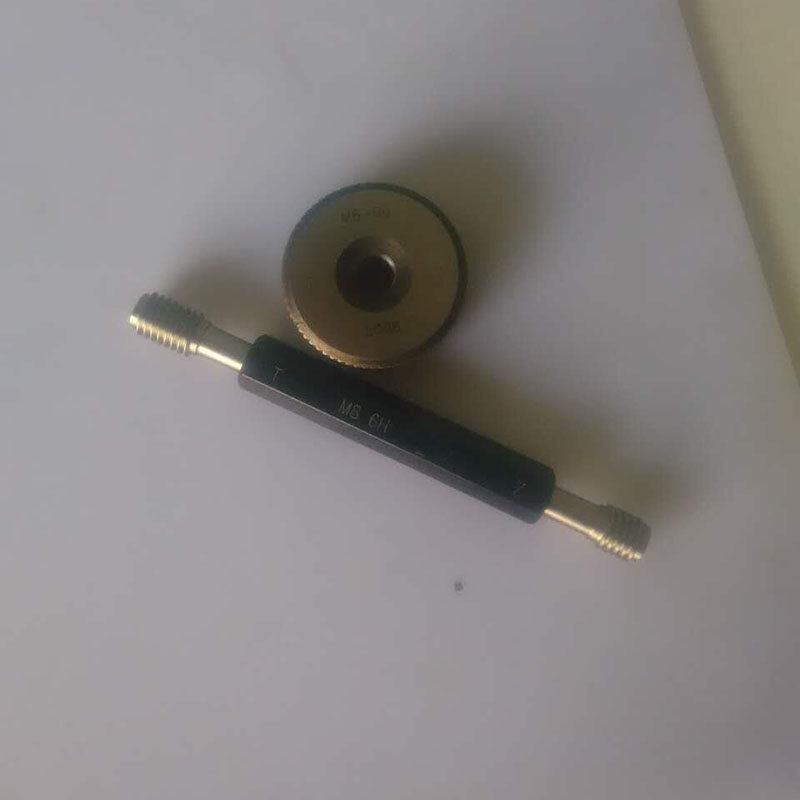
Wskaźnik gwintu g i h
Temat gwintów i narzędzi pomiarowych, takich jak wskaźnik gwintów typu plug gauge, jest niezwykle is